1 - 28 of 1,866 Listings
Rent
All

Width: 3 m
Condition: Used
Shank Type: Parabolic/ Curved Shank
Operating Condition: Operable
Mounting Type: 3pt
Rear Attachment: Yes
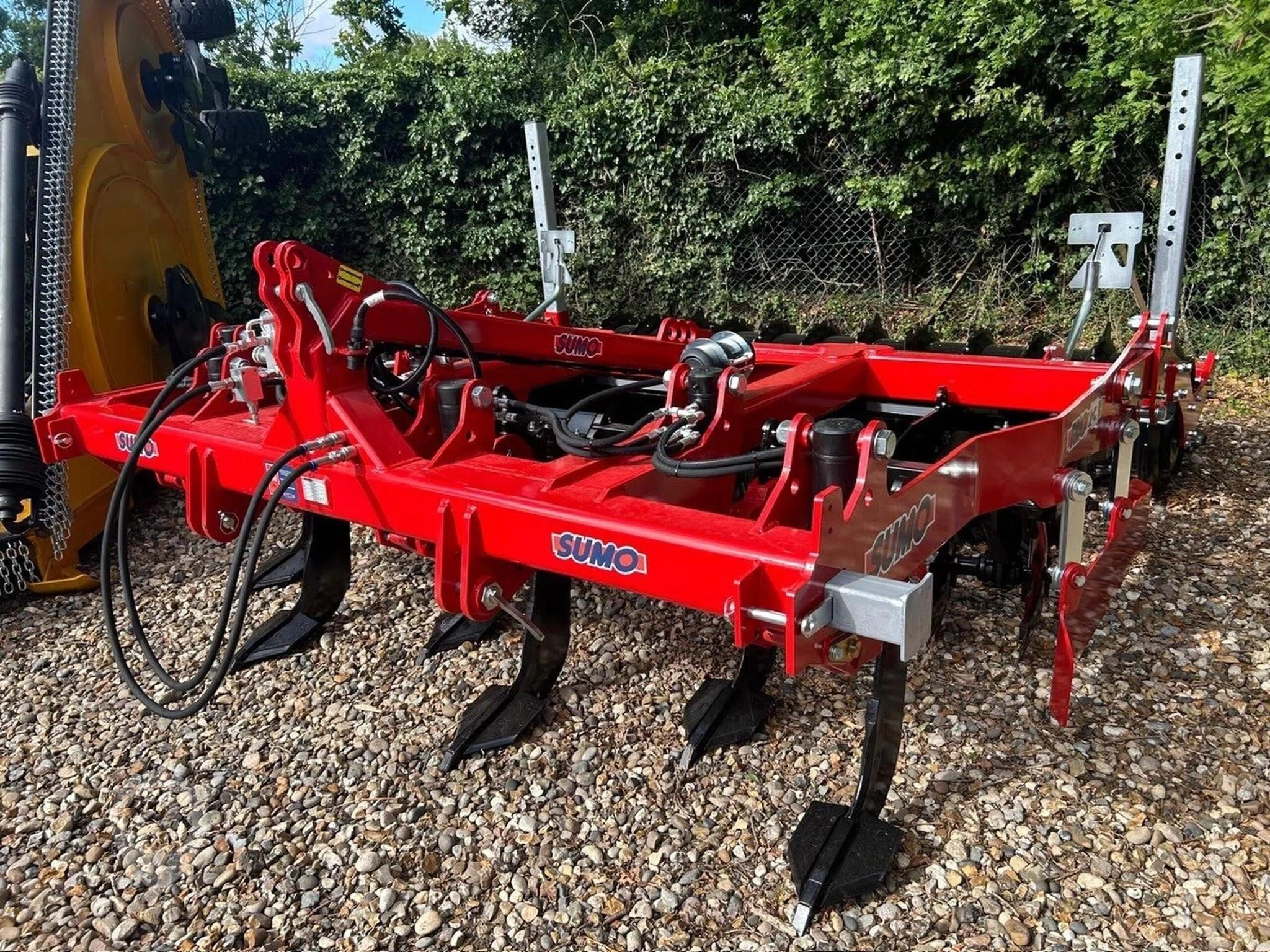
Description: 2023 SUMO LDS3 LOW DISTURBANCE SUBSOILER IN EXCELLENT CONDITION WITH VERY LITTLE USE.
Still running on its original points, reflecting just how ...
Updated: Monday, September 28, 2026 08:01 AM
Location: Thorner, England, United Kingdom
Seller: Martin Darley

Width: 4 m
Serial Number: 201179
Condition: Used
Mounting Type: 3pt
Frame Type: 2-Section Folding
Description: 2021 HE-VA Stealth 4m low disturbance sub soiler, hydraulic folding, designed for no-till, reduced-input, and min-till farming systems to alleviate...
Updated: Wednesday, November 25, 2026 08:26 AM
Location: Berkshire, England, United Kingdom
Seller: Thames Valley Machinery

Serial Number: 2025/125
Condition: Used
Stock Number: 11088647
Description: SUBSOILER LOW DISTURBANCE MOUNTED 3 METER 6 LEG LOW DISTURBANCE SUBSOILER WITH LEADING HYD ADJUST DISC SLITTER
Updated: Tuesday, November 24, 2026 06:35 AM
Location: Worlingworth, Suffolk, United Kingdom
Seller: Tuckwells

Serial Number: BC215
Condition: Used
Stock Number: 17353285
Description: 3m mounted Low Disturbance Subsoiler 6 legs 500mm spacing Ring Packer
Transmission: Automatic
FuelType: Diesel
Hours: 1
Color: black
Updated: Thursday, November 19, 2026 04:59 AM
Location: Wandon End, England, United Kingdom
Seller: Oliver Landpower
Serial Number: BF203
Condition: Used
Stock Number: 20826422
Description: Mounted Trio 3m Auto Reset Leg Protection Multi Packer 6 Legs
Transmission: Automatic
FuelType: Diesel
Hours: 1
Color: black
Updated: Thursday, November 19, 2026 04:59 AM
Location: Colchester, England, United Kingdom
Seller: Oliver Landpower
Serial Number: BF236
Condition: New
Stock Number: A1087994
Description: AUTO RESET
Updated: Tuesday, November 24, 2026 06:35 AM
Location: Worlingworth, Suffolk, United Kingdom
Seller: Tuckwells
Serial Number: 00165
Condition: Used
Stock Number: 51029347
Description: Used Dalbo Ratoon XL 3 Leg Subsoiler - Hyd Auto Reset
Updated: Monday, November 23, 2026 09:29 AM
Location: Coldstream, Borders, United Kingdom
Seller: Thomas Sherriff & Co Ltd
Condition: Used
Stock Number: 10027722
Description: Grange Machinery 6M LDT
Updated: Monday, November 23, 2026 08:41 AM
Location: Warsop, England, United Kingdom
Seller: B & B Tractors (Main)
Serial Number: BF157
Condition: New
Description: New Sumo GLS 4leg subsoiler, 4 serrated discs, hydraulic auto reset, flat roller, transport lights
Updated: Tuesday, November 24, 2026 04:46 AM
Location: Ayr, Scotland, United Kingdom
Seller: John H McNae Ltd
Condition: Used
Description: 2020 Sumo Trio 3
3 meter working width,
6 subsoiling legs with new points,
Full set of new discs,
Multipacka,
In excellent condition, ready ...
Updated: Thursday, November 19, 2026 04:57 AM
Location: Brean, Somerset, United Kingdom
Seller: Hansewood Ltd
Condition: Used
Description: Leading discs, Shear-pin legs, hydraulic packer height,
Very Good Condition, very little use
Updated: Tuesday, November 24, 2026 05:43 AM
Location: Tetford, Lincolnshire, United Kingdom
Seller: S R Kilby Machinery
Width: 3 m
Serial Number: 4066-0124
Condition: New
Stock Number: 11083975
Description: AGRIWELD 3M MANTIS FRONT MOUNTED AUTO RESET TOOL BAR.
Updated: Monday, November 23, 2026 02:18 PM
Location: Penrith, England, United Kingdom
Seller: Carrs Billington Agriculture (Sales) Ltd
Condition: Used
Stock Number: 21059999
Description: Price Ex VAT
Alpego Delta 400 Subsoiler/Chisel Plough
MY2017
Purchased new in 2018
New teeth
New bodies
New stay teeth
£2,500 + spent on new...
Updated: Thursday, November 19, 2026 04:57 AM
Location: Ventnor, England, United Kingdom
Seller: Hunt Forest Group
Serial Number: N/A
Condition: Used
Description: Browns subsoiler, Crumblier bar , 3 legs
Updated: Monday, November 09, 2026 08:17 AM
Location: Maidstone, Kent, United Kingdom
Seller: Morgan Machinery Limited
Condition: Used
Description: 3 leg subsoiler.
HorsePower: N/A
Hours: N/A
Updated: Tuesday, November 24, 2026 06:34 AM
Location: Angus, Scotland, United Kingdom
Seller: NETHERTON TRACTORS LTD
Condition: Used
Description: Grange 3M CCT Close Coupled Toolbar
PTO drive through,
Rear hydraulic linkage,
Quick couplers for extra spools,
Front cutting discs,
6 shear...
Updated: Thursday, November 19, 2026 04:57 AM
Location: Brean, Somerset, United Kingdom
Seller: Hansewood Ltd
Condition: New
Description: Content: Low disurbance legs
Hydraulic Folding
Front cutting discs
DD Style packer
Auto reset
Road lights
Updated: Tuesday, October 27, 2026 08:45 AM
Location: Bruton, England, United Kingdom
Seller: REDLYNCH AGRICULTRAL ENGINEERING
Width: 6 m
Serial Number: GM1240
Condition: Used
Stock Number: 41027549
Description: Used Grange 6M LDT AR Toolbar
Mounted
Working width 6m
Transport width 3m
Updated: Wednesday, November 25, 2026 07:46 AM
Location: Pentre, Wales, United Kingdom
Seller: RVW Pugh
Condition: New
Description: Content: Low Disturbance subsoiler for FETF Grant
Shearbolt or Auto Reset
Tooth Packer
Road lights
Updated: Tuesday, October 27, 2026 08:45 AM
Location: Bruton, England, United Kingdom
Seller: REDLYNCH AGRICULTRAL ENGINEERING
Condition: Used
Stock Number: 25805
Description: Good wearing metal. Fitted with 2 rows of discs, 5 subsoiling legs with hydraulic depth adjustment and shearbolt protection, and rear rubber packer...
Updated: Thursday, November 19, 2026 04:59 AM
Location: Cutlers Green Thaxted, England, United Kingdom
Seller: Oakfields Ag.
Condition: Used
Stock Number: 26449
Description: Good wearing metal, fitted with depth wheels. 3.25m overall width. Serial no: D28046.
Updated: Thursday, November 19, 2026 04:59 AM
Location: Cutlers Green Thaxted, England, United Kingdom
Seller: Oakfields Ag.
Condition: Used
Description: HE-VA Combi lift tool bar with disc roller, predecessor to the HE-VA Combi disc!
Stocks micro seeder, TWB points, Paint is faded but a solid machine
Updated: Tuesday, November 24, 2026 05:43 AM
Location: Tetford, Lincolnshire, United Kingdom
Seller: S R Kilby Machinery
Serial Number: 40837
Condition: New
Stock Number: 11000367
Description: A low-disturbance medium depth subsoiler designed to loosen soil, relieve compaction and improve drainage while minimising surface soil disturbance.
Updated: Monday, October 05, 2026 03:56 AM
Location: Bicester, Oxon, England, United Kingdom
Seller: Turney Group
Condition: New
Stock Number: 11016572
Description: 4m Working width
1: Foldable
2: Hydraulic stone protection
3: 8 Tines
4: V Profile Roller 600mm
5: Three-pointed mounted
6: 470mm Serrated di...
Updated: Thursday, November 19, 2026 04:55 AM
Location: Chelmsford, England, United Kingdom
Seller: Crawfords Group
Width: 4 m
Serial Number: 40002
Condition: New
Stock Number: 2M040892
Description: HE-VA STEALTH 4M LOW DISTURBANCE SUBSOILER, SHEARBOLT. HYDRAULIC FOLDING.
Updated: Thursday, November 19, 2026 04:53 AM
Location: Grantham, United Kingdom
Seller: Chandlers (Farm Equipment) Ltd
Condition: Used
Stock Number: 26463
Description: Never been used! C/w hydraulically adjustable serrated discs, followed by 8 LD subsoiling legs with shearpin protection and tungsten metal, and rea...
Updated: Thursday, November 19, 2026 04:59 AM
Location: Cutlers Green Thaxted, England, United Kingdom
Seller: Oakfields Ag.
Serial Number: 40000
Condition: New
Stock Number: 11000081
Description: A low-disturbance medium depth subsoiler designed to loosen soil, relieve compaction and improve drainage while minimising surface soil disturbance.
Updated: Tuesday, October 27, 2026 03:19 AM
Location: Bicester, Oxon, England, United Kingdom
Seller: Turney Group
Width: 4 m
Serial Number: 38392
Condition: Used
Frame Type: 2-Section Folding
Description: 2023 HE-VA Stealth 4m low disturbance sub soiler, hydraulic folding, designed for no-till, reduced-input, and min-till farming systems to alleviate...
Updated: Thursday, November 19, 2026 05:01 AM
Location: Berkshire, England, United Kingdom
Seller: Thames Valley Machinery