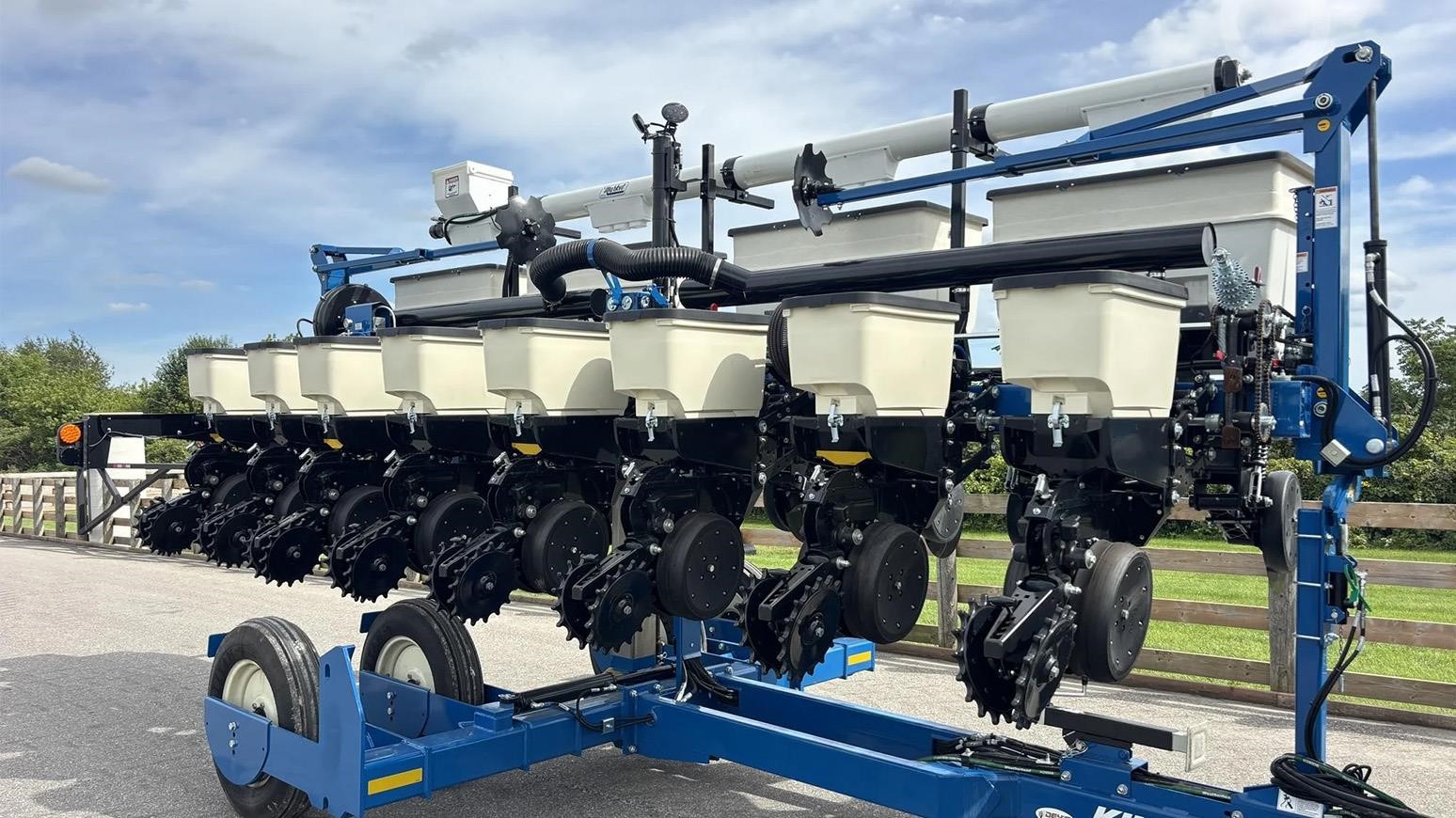
1 - 28 of 126 Listings

Condition: Dismantled
Description: Bourgault 3310PHD for salvage
- Bourgault 400 Paralink drill controller
- Used and new tires available:
11-15 Goodyear tires
13.50-15 Titan tir...
Updated: Wednesday, October 28, 2026 09:26 AM
Location: Asquith, Saskatchewan, Canada
Seller: Northern Plains Equipment

Serial Number: 076U018752
Condition: Dismantled
Stock Number: EQ-37235
Description: Used Case IH 800 Planter Parts
All States Ag Parts has salvaged a Case IH 800 Planter for used parts.
This unit was dismantled at our Wisconsin...
Updated: Thursday, November 19, 2026 07:03 AM
Location: Black Creek, Wisconsin, USA
Seller: All States Ag Parts - Black Creek, WI

Condition: Dismantled
Description:
Updated: Monday, November 16, 2026 08:05 AM
Location: Pennsdale, Pennsylvania, USA
Seller: Fry's Machinery, Inc.

Condition: Dismantled
Stock Number: EQ-41305
Description: All States Ag Parts has salvaged a Case IH 900 Planter for used parts.
This unit was dismantled at Downing Tractor Parts In Downing, WI.
Call...
Updated: Thursday, November 19, 2026 07:03 AM
Location: Downing, Wisconsin, USA
Seller: All States Ag Parts - Downing, WI
Condition: Dismantled
Stock Number: EQ-39754
Description:
Updated: Thursday, November 19, 2026 07:03 AM
Location: Downing, Wisconsin, USA
Seller: All States Ag Parts - Downing, WI
Condition: Dismantled
Stock Number: EQ-38345
Description: Used Case IH 900 Planter Parts
All States Ag Parts has salvaged a Case IH 900 Planter for used parts.
This unit was dismantled at our Wisconsin...
Updated: Thursday, November 19, 2026 07:03 AM
Location: Black Creek, Wisconsin, USA
Seller: All States Ag Parts - Black Creek, WI
Condition: Dismantled
Stock Number: EQ-32405
Description: Used International 900 Planter Parts
All States Ag Parts has salvaged a International 900 Planter for used parts.
This unit was dismantled at o...
Updated: Thursday, November 19, 2026 07:03 AM
Location: Black Creek, Wisconsin, USA
Seller: All States Ag Parts - Black Creek, WI
Condition: Dismantled
Stock Number: EQ-37276
Description: Used Case IH 900 Planter Parts
All States Ag Parts has salvaged a Case IH 900 Planter for used parts.
This unit was dismantled at our Wisconsin...
Updated: Thursday, November 19, 2026 07:03 AM
Location: Black Creek, Wisconsin, USA
Seller: All States Ag Parts - Black Creek, WI
Serial Number: JJC0026401
Condition: Dismantled
Stock Number: 91026
Description: PARTS MACHINE
8 ROW
Updated: Monday, November 16, 2026 09:59 AM
Location: Augusta, Arkansas, USA
Seller: Eldridge Supply Company
Serial Number: JJC0024167
Condition: Dismantled
Stock Number: 91025
Description: PARTS MACHINE
8 ROW
Updated: Monday, November 16, 2026 09:59 AM
Location: Augusta, Arkansas, USA
Seller: Eldridge Supply Company
Serial Number: DBC0001073
Condition: Dismantled
Stock Number: EQ-41248
Description: All States Ag Parts has salvaged a Case IH 1200 Planter for used parts. This unit was dismantled at Downing Tractor Parts In Downing, WI. Call to ...
Updated: Thursday, November 19, 2026 07:03 AM
Location: Downing, Wisconsin, USA
Seller: All States Ag Parts - Downing, WI
Condition: Dismantled
Stock Number: EQ-37904
Description:
Updated: Thursday, November 19, 2026 07:03 AM
Location: Downing, Wisconsin, USA
Seller: All States Ag Parts - Downing, WI
Serial Number: Y7S007004
Condition: Dismantled
Stock Number: EQ-33791
Description: All States Ag Parts has salvaged a Case IH 1250 Planter for used parts. This unit was dismantled at Downing Tractor Parts In Downing, WI. Call to s...
Updated: Thursday, November 19, 2026 07:03 AM
Location: Downing, Wisconsin, USA
Seller: All States Ag Parts - Downing, WI
Condition: Dismantled
Description: Case 3430 / Flexicoil 3450 Air Cart for salvage
- Auger
- 30.5 x 32 Firestone tires
- AFS Pro 600 monitor
New stainless parts also available
Updated: Wednesday, October 28, 2026 09:26 AM
Location: Asquith, Saskatchewan, Canada
Seller: Northern Plains Equipment
Serial Number: JAG0100686
Condition: Dismantled
Stock Number: 91027
Description: PARTS MACHINE
Updated: Monday, November 16, 2026 09:59 AM
Location: Augusta, Arkansas, USA
Seller: Eldridge Supply Company
Condition: Dismantled
Description:
Updated: Tuesday, September 08, 2026 01:56 PM
Location: Broadus, Montana, USA
Seller: Z Mill Inc.
Condition: Dismantled
Description:
Updated: Monday, November 02, 2026 08:12 AM
Location: Westlock, Alberta, Canada
Seller: Westlock Tractor Parts
Condition: Dismantled
Description:
Updated: Monday, November 02, 2026 08:12 AM
Location: Westlock, Alberta, Canada
Seller: Westlock Tractor Parts
Condition: Dismantled
Stock Number: EQ-37086
Description: Used International 400 Planter Parts
All States Ag Parts has salvaged a International 400 Planter for used parts.
This unit was dismantled at o...
Updated: Thursday, November 19, 2026 07:03 AM
Location: Black Creek, Wisconsin, USA
Seller: All States Ag Parts - Black Creek, WI
Condition: Dismantled
Stock Number: EQ-21078
Description: Used International 400 Planter Parts
All States Ag Parts has salvaged a International 400 Planter for used parts.
This unit was dismantled at o...
Updated: Thursday, November 19, 2026 07:03 AM
Location: Black Creek, Wisconsin, USA
Seller: All States Ag Parts - Black Creek, WI
Condition: Dismantled
Stock Number: 3352708-2
Description: INTERNATIONAL 400 AIR PLANTER, 4 ROW 38" NOT USED FOR A LONG TIME, PARTS,
Updated: Tuesday, October 13, 2026 07:13 AM
Location: Rockford, Illinois, USA
Seller: Meridian Implement
Condition: Dismantled
Stock Number: EQ-31181
Description: All States Ag Parts has salvaged a International 620 Tillage for used parts.
This unit was dismantled at Hendricks Tractor Parts In Hendricks, MN...
Updated: Thursday, November 19, 2026 07:03 AM
Location: Hendricks, Minnesota, USA
Seller: All States Ag Parts - Hendricks, MN
Condition: Dismantled
Description:
Updated: Monday, November 02, 2026 08:12 AM
Location: Westlock, Alberta, Canada
Seller: Westlock Tractor Parts
Condition: Dismantled
Stock Number: EQ-8097
Description: All States Ag Parts has salvaged a International 800 Planter for used parts. This unit was dismantled at Downing Tractor Parts In Downing, WI. Call...
Updated: Thursday, November 19, 2026 07:03 AM
Location: Downing, Wisconsin, USA
Seller: All States Ag Parts - Downing, WI
Condition: Dismantled
Stock Number: EQ-36544
Description: All States Ag Parts has salvaged a International 800 Planter for used parts.
Updated: Thursday, November 19, 2026 07:03 AM
Location: Ft. Atkinson, Iowa, USA
Seller: All States Ag Parts - Ft. Atkinson, IA
Condition: Dismantled
Description: corn planter
Updated: Monday, November 16, 2026 08:05 AM
Location: Pennsdale, Pennsylvania, USA
Seller: Fry's Machinery, Inc.
Condition: Dismantled
Stock Number: EQ-36398
Description: All States Ag Parts has salvaged a International 800 Planter for used parts.
Updated: Thursday, November 19, 2026 07:03 AM
Location: Downing, Wisconsin, USA
Seller: All States Ag Parts - Downing, WI