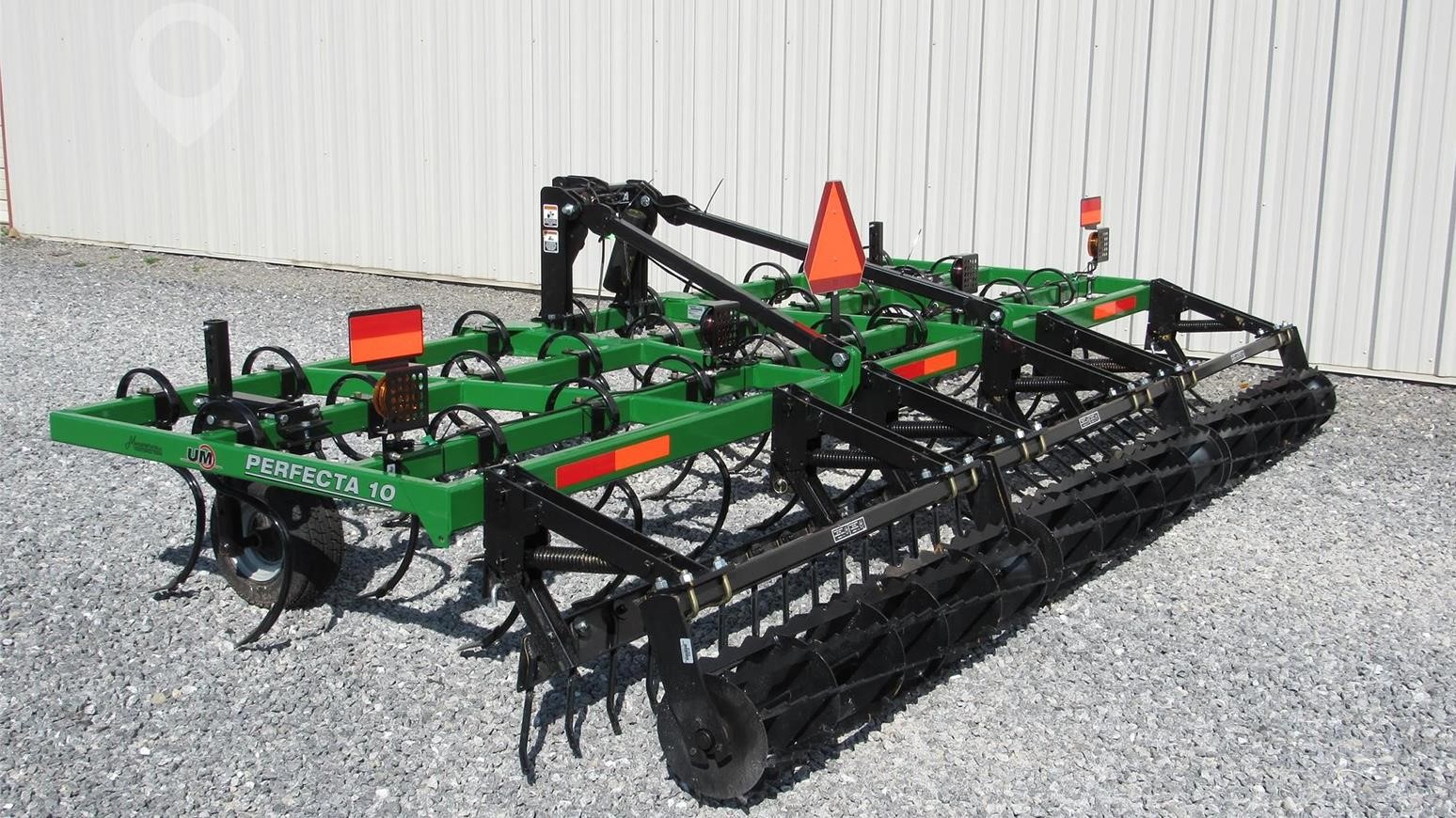
1 - 28 of 151 Listings

Serial Number: 220
Condition: Dismantled
Stock Number: 91028
Description: PARTS MACHIN
Updated: Monday, November 16, 2026 09:59 AM
Location: Augusta, Arkansas, USA
Seller: Eldridge Supply Company

Serial Number: UNKNOWN
Condition: Dismantled
Stock Number: 1159
Description: Parting out 13 shank V-ripper that has a broken frame on the first shank left of the hitch. Has extensions and dual gauge wheels.
Updated: Wednesday, November 18, 2026 09:47 AM
Location: Hale Center, Texas, USA
Seller: K&W Equipment

Serial Number: UNKNOWN
Condition: Dismantled
Stock Number: 1165
Description: 4 Para Till Shanks and clamps. Fits a double 4x4 tool bar.
Updated: Wednesday, November 18, 2026 09:47 AM
Location: Hale Center, Texas, USA
Seller: K&W Equipment

Condition: Dismantled
Stock Number: EQ-42210
Description: All States Ag Parts has salvaged a Brillion LCS3 Tillage for used parts. This unit was dismantled at Wisconsin Tractor Parts In Black Creek, WI. Ca...
Updated: Monday, November 16, 2026 11:48 PM
Location: Black Creek, Wisconsin, USA
Seller: All States Ag Parts - Black Creek, WI
Condition: Dismantled
Stock Number: 1269
Description: 8 row cultivator for PARTS have borrowing off disc, shields, shanks, units, frames, tubes, and other pieces.
Updated: Wednesday, November 18, 2026 09:47 AM
Location: Hale Center, Texas, USA
Seller: K&W Equipment
Condition: Dismantled
Stock Number: 1269
Serial Number: UNKNOWN
Description: Parting out cultivator.
Updated: Wednesday, November 18, 2026 09:47 AM
Location: Hale Center, Texas, USA
Seller: K&W Equipment
Serial Number: 8146786
Condition: Dismantled
Stock Number: EQ-FT1867
Description:
Updated: Monday, November 02, 2026 08:12 AM
Location: Westlock, Alberta, Canada
Seller: Westlock Tractor Parts
Condition: Dismantled
Description:
Updated: Saturday, November 14, 2026 07:01 AM
Location: Chesaning, Michigan, USA
Seller: Card Bros. Equipment, Inc.
Condition: Dismantled
Description:
Updated: Tuesday, September 08, 2026 09:30 AM
Location: Nyssa, Oregon, USA
Seller: NYSSA TRACTOR & IMPLEMENT
Condition: Dismantled
Stock Number: EQ-38945
Description: Used Case IH 7500 Tillage Parts
All States Ag Parts has salvaged a Case IH 7500 Tillage for used parts.
This unit was dismantled at our Wiscons...
Updated: Tuesday, November 03, 2026 04:57 PM
Location: Black Creek, Wisconsin, USA
Seller: All States Ag Parts - Black Creek, WI
Serial Number: 0000
Condition: Dismantled
Description:
Updated: Tuesday, June 30, 2026 08:37 AM
Location: Riverdale, California, USA
Serial Number: GP-3245YY
Condition: Dismantled
Stock Number: 27075
Description: Brand new 2026 Great Plains VT1500 subsoiler! designed to tackle tough soil conditions and improve field performance. Built with heavy-duty compone...
Updated: Tuesday, November 17, 2026 10:59 AM
Location: Huron, South Dakota, USA
Seller: Premier Equipment, LLC
Serial Number: 13882
Condition: Dismantled
Stock Number: EQ-36400
Description:
Updated: Tuesday, November 03, 2026 04:57 PM
Location: Downing, Wisconsin, USA
Seller: All States Ag Parts - Downing, WI
Condition: Dismantled
Description:
Updated: Tuesday, September 08, 2026 09:30 AM
Location: Nyssa, Oregon, USA
Seller: NYSSA TRACTOR & IMPLEMENT
Condition: Dismantled
Description:
Updated: Tuesday, September 08, 2026 09:30 AM
Location: Nyssa, Oregon, USA
Seller: NYSSA TRACTOR & IMPLEMENT
Condition: Dismantled
Stock Number: EQ-42363
Description: All States Ag Parts has salvaged a International 45 Tillage for used parts. This unit was dismantled at Wisconsin Tractor Parts In Black Creek, WI....
Updated: Tuesday, November 03, 2026 04:57 PM
Location: Black Creek, Wisconsin, USA
Seller: All States Ag Parts - Black Creek, WI
Condition: Dismantled
Stock Number: EQ-39477
Description: All States Ag Parts has salvaged a International 181 Tillage for used parts. This unit was dismantled at Downing Tractor Parts In Downing, WI. Call...
Updated: Saturday, November 14, 2026 07:57 AM
Location: Downing, Wisconsin, USA
Seller: All States Ag Parts - Downing, WI
Condition: Dismantled
Description:
Updated: Wednesday, November 18, 2026 09:16 AM
Location: Madison, Minnesota, USA
Seller: Haas Equipment LLC
Serial Number: ZDRD09120
Condition: Dismantled
Stock Number: 865
Description: CVT
Updated: Tuesday, October 20, 2026 01:07 PM
Location: New Madison, Ohio, USA
Seller: Hill-T Farm Tractor Parts
Serial Number: ZDRD09419
Condition: Dismantled
Stock Number: 866
Description: CVT
Updated: Tuesday, October 20, 2026 01:07 PM
Location: New Madison, Ohio, USA
Seller: Hill-T Farm Tractor Parts
Condition: Dismantled
Stock Number: EQ-36332
Description: Used International 470 Tillage Parts
All States Ag Parts has salvaged a International 470 Tillage for used parts.
This unit was dismantled at o...
Updated: Tuesday, November 03, 2026 04:57 PM
Location: Ft. Atkinson, Iowa, USA
Seller: All States Ag Parts - Ft. Atkinson, IA
Serial Number: 10508
Condition: Dismantled
Stock Number: EQ-2602
Description: All States Ag Parts has salvaged a International 475 Tillage for used parts. This unit was dismantled at Downing Tractor Parts In Downing, WI. Call...
Updated: Tuesday, November 17, 2026 04:37 AM
Location: Downing, Wisconsin, USA
Seller: All States Ag Parts - Downing, WI
Condition: Dismantled
Stock Number: EQ-4981
Description: All States Ag Parts has salvaged a International 475 Tillage for used parts. This unit was dismantled at Downing Tractor Parts In Downing, WI. Call...
Updated: Tuesday, November 17, 2026 01:13 AM
Location: Downing, Wisconsin, USA
Seller: All States Ag Parts - Downing, WI
Serial Number: 123456
Condition: Dismantled
Stock Number: 13608
Description: IH 496 DISC REAR HITCH AND HYD 23 FT 7.5" SPACING NO WELDS
Updated: Thursday, November 12, 2026 02:33 PM
Location: Martinsville, Indiana, USA
Seller: B&R Equipment
Condition: Dismantled
Stock Number: EQ-22918
Description: All States Ag Parts has salvaged a International 540 Tillage for used parts. This unit was dismantled at Downing Tractor Parts In Downing, WI. Call...
Updated: Saturday, November 14, 2026 05:35 AM
Location: Downing, Wisconsin, USA
Seller: All States Ag Parts - Downing, WI
Condition: Dismantled
Stock Number: EQ-17776
Description: All States Ag Parts has salvaged a International 540 Tillage for used parts. This unit was dismantled at Wisconsin Tractor Parts In Black Creek, WI...
Updated: Wednesday, November 11, 2026 05:02 AM
Location: Black Creek, Wisconsin, USA
Seller: All States Ag Parts - Black Creek, WI
Condition: Dismantled
Stock Number: EQ-11710
Description: All States Ag Parts has salvaged a International 540 Tillage for used parts. This unit was dismantled at Downing Tractor Parts In Downing, WI. Call...
Updated: Tuesday, November 10, 2026 09:29 AM
Location: Downing, Wisconsin, USA
Seller: All States Ag Parts - Downing, WI
Condition: Dismantled
Stock Number: EQ-11705
Description: All States Ag Parts has salvaged a International 540 Tillage for used parts. This unit was dismantled at Downing Tractor Parts In Downing, WI. Call...
Updated: Tuesday, November 10, 2026 09:28 AM
Location: Downing, Wisconsin, USA
Seller: All States Ag Parts - Downing, WI