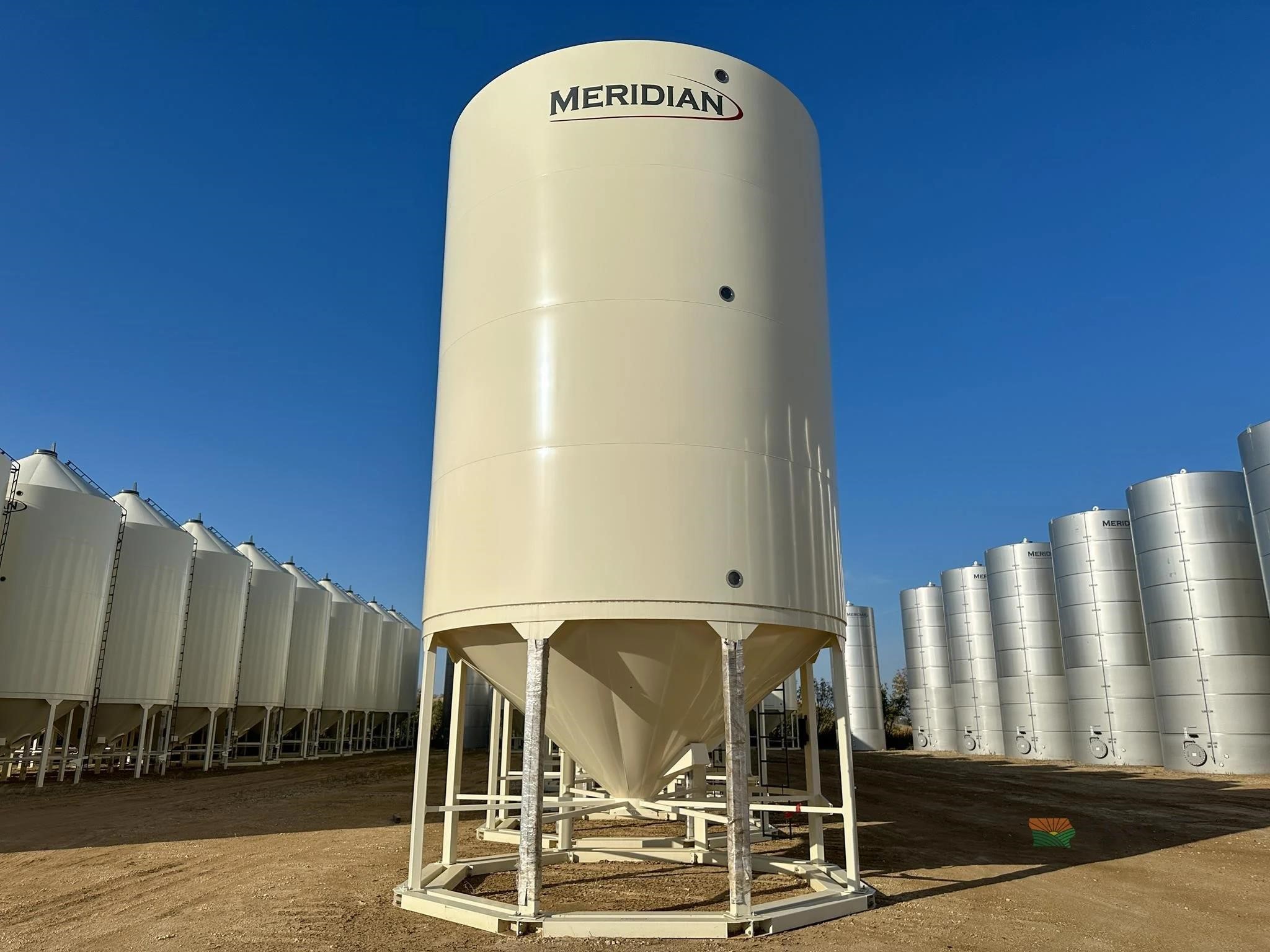
1 - 28 of 125 Listings
Rent
All

Condition: Used
Stock Number: LOT 30
Description: COMPLETE PELLET MANUFACTURING PLANT & ASSETS ONLINE ASSET DISPOSAL AUCTION I BRANDFORT, FS
Starting: 19 Oct 2026 08:00 | Ending From: 29 Oct 2026 ...
Updated: Friday, October 02, 2026 01:54 AM
Location: Bloemfontein, Free State, South Africa
Seller: SA Auction Group

Condition: Used
Stock Number: LOT 29
Description: COMPLETE PELLET MANUFACTURING PLANT & ASSETS ONLINE ASSET DISPOSAL AUCTION I BRANDFORT, FS
Starting: 19 Oct 2026 08:00 | Ending From: 29 Oct 2026 ...
Updated: Friday, October 02, 2026 01:54 AM
Location: Bloemfontein, Free State, South Africa
Seller: SA Auction Group

Condition: Used
Stock Number: LOT 26
Description: COMPLETE PELLET MANUFACTURING PLANT & ASSETS ONLINE ASSET DISPOSAL AUCTION I BRANDFORT, FS
Starting: 19 Oct 2026 08:00 | Ending From: 29 Oct 2026 ...
Updated: Friday, October 02, 2026 01:53 AM
Location: Bloemfontein, Free State, South Africa
Seller: SA Auction Group


Capacity: 450 bu
Diameter: 2.03 m
Max. Height: 5.79 m
Serial Number: UNKNOWN
Condition: Used
Stock Number: 16428-RS
Description: Selling a Cone Bottom Bin.
Steel Legs.
19' Total Height.
80" Diameter.
Approximately 450 Bushel Capacity.
!!!!!10-DAY Assisted LOAD-OUT!!!!
N...
Updated: Tuesday, November 03, 2026 07:29 AM
Location: Beaver City, Nebraska, USA
Seller: Midwest Equipment Auctions

Condition: Used
Stock Number: 22A
Description: Shelled Corn Bag Stands (6 qty), approx. 48" tall x 20" wide x 28" deep. Newly built - never used Quantity: 1
Updated: Wednesday, November 04, 2026 11:44 AM
Location: Mesick, Michigan, USA
Seller: 1800Asset.com
Condition: Used
Stock Number: 22B
Description: Shelled Corn Bag Stands (6 qty), approx. 48" tall x 20" wide x 28" deep. Newly built - never used Quantity: 1
Updated: Wednesday, November 04, 2026 11:44 AM
Location: Mesick, Michigan, USA
Seller: 1800Asset.com
Condition: Used
Stock Number: 22D
Description: Shelled Corn Bag Stands (3 qty), approx. 48" tall x 20" wide x 28" deep. Newly built - never used Quantity: 1
Updated: Wednesday, November 04, 2026 11:44 AM
Location: Mesick, Michigan, USA
Seller: 1800Asset.com
Condition: Used
Stock Number: 22C
Description: Shelled Corn Bag Stands (6 qty), approx. 48" tall x 20" wide x 28" deep. Newly built - never used Quantity: 1
Updated: Wednesday, November 04, 2026 11:44 AM
Location: Mesick, Michigan, USA
Seller: 1800Asset.com
Condition: Used
Stock Number: 6329
Description: w/ newer floor, 2'' outlet, 11'x16.5' Quantity: 1
Updated: Wednesday, November 04, 2026 07:00 PM
Location: Delphi, Indiana, USA
Seller: J Martin Auctions
Condition: Used
Stock Number: 3434
Description: w/ drying floor, stirator, 27'' drying fan, propane burner, 8'' bottom unload auger, metal floor stands, disassembled Quantity: 1
Updated: Wednesday, November 04, 2026 07:01 PM
Location: Delphi, Indiana, USA
Seller: J Martin Auctions
Condition: Used
Stock Number: 8562
Description: Quantity: 1
Updated: Wednesday, November 04, 2026 06:14 PM
Location: Burgaw, North Carolina, USA
Seller: RDD Auction
Condition: Used
Stock Number: 8549
Description: 6- 32" Rings appox 18ft, No Bin Sweep Quantity: 1
Updated: Wednesday, November 04, 2026 06:14 PM
Location: Burgaw, North Carolina, USA
Seller: RDD Auction
Condition: Used
Stock Number: 8548
Description: 6- 32" Rings appox 18ft, No Bin Sweep Quantity: 1
Updated: Wednesday, November 04, 2026 06:14 PM
Location: Burgaw, North Carolina, USA
Seller: RDD Auction
Condition: Used
Stock Number: 8546
Description: 6- 32" Rings approx. 18ft, No Sweep Quantity: 1
Updated: Wednesday, November 04, 2026 06:14 PM
Location: Burgaw, North Carolina, USA
Seller: RDD Auction
Condition: Used
Stock Number: 8544
Description: 6- 32" Rings High approx. 18ft , No Sweep Quantity: 1
Updated: Wednesday, November 04, 2026 06:14 PM
Location: Burgaw, North Carolina, USA
Seller: RDD Auction
Condition: Used
Stock Number: 8541
Description: Each ring 32" with Bin Sweep Quantity: 1
Updated: Wednesday, November 04, 2026 06:14 PM
Location: Burgaw, North Carolina, USA
Seller: RDD Auction
Condition: Used
Stock Number: 603
Description: FEED TANK Quantity: 1
Updated: Monday, November 02, 2026 03:42 PM
Location: Louisburg, North Carolina, USA
Seller: Jason Aycock Auctioneering
Condition: Used
Stock Number: 602
Description: BROCK FEED TANK Quantity: 1
Updated: Monday, November 02, 2026 03:42 PM
Location: Louisburg, North Carolina, USA
Seller: Jason Aycock Auctioneering
Condition: Used
Stock Number: 84
Description: Grain Bin with auger, auger with motor Quantity: 1
Updated: Wednesday, November 04, 2026 12:49 PM
Location: Lexington, Kentucky, USA
Seller: BlueGrass Stockyards
Condition: Used
Stock Number: 575
Description: FEED TANK Quantity: 1
Updated: Monday, November 02, 2026 03:31 PM
Location: Louisburg, North Carolina, USA
Seller: Jason Aycock Auctioneering
Condition: Used
Stock Number: 227766
Description: Quantity: 1
Updated: Wednesday, November 04, 2026 09:27 PM
Location: Hazlehurst, Georgia, USA
Seller: Rebel Auction
Condition: Used
Stock Number: 22
Description: 35 ton Butler bulk bin. Quantity: 1
Updated: Tuesday, November 03, 2026 03:00 PM
Location: Marcus, Iowa, USA
Seller: Iowa Auction Group
Condition: Used
Stock Number: 8447
Description: 10 TON FEED BIN Quantity: 1
Updated: Wednesday, November 04, 2026 12:38 PM
Location: Idabel, Oklahoma, USA
Seller: Brinkley Auctions Inc.
Condition: Used
Stock Number: 8446
Description: 14 TON FEED BIN W/ BOOT AND SLIDE Quantity: 1
Updated: Wednesday, November 04, 2026 12:38 PM
Location: Idabel, Oklahoma, USA
Seller: Brinkley Auctions Inc.
Condition: Used
Stock Number: 28
Description: 10" out auger, holds 12,000 BU, dissasembly is up to the buyer, 6 month removal time. Quantity: 1
Updated: Thursday, October 01, 2026 03:09 PM
Location: Sioux Rapids, Iowa, USA
Seller: Iowa Machinery Man
Condition: Used
Stock Number: 29
Description: 8" out auger, holds 10,000 BU, new fan within the last few years, dissasembly is up to the buyer, 6 months to get removed. Quantity: 1
Updated: Thursday, October 01, 2026 03:09 PM
Location: Sioux Rapids, Iowa, USA
Seller: Iowa Machinery Man
Condition: Used
Stock Number: I_CHA01177646
Description: 2012 Sukup 1805 cone bottom wet bin, 18'x5 rings, w/ 6"x30' transfer auger, 8" unload auger, roof vent, approximately 5000 bushel capacity Quantity: 1
Updated: Tuesday, October 20, 2026 02:04 PM
Location: Geneva, Indiana, USA
Seller: Schrader Real Estate and Auction Company, Inc
Condition: Used
Stock Number: 415
Description: 1500 Bu Holding Bin Quantity: 1
Updated: Tuesday, November 03, 2026 08:02 PM
Location: Pocahontas, Iowa, USA
Seller: The Sale Barn